
An evolving approach to anemia management in chronic kidney disease emphasizes individualized, stage-specific care with a focus on early detection and risk-based treatment strategies. Correction of iron deficiency and underlying inflammation is prioritized before initiating or adjusting E therapy. Maintaining a safe hemoglobin target range is essential to balance therapeutic benefits and cardiovascular safety. Long-acting agents such as D are preferred due to less frequent dosing, improved patient adherence, and reduced variability in hemoglobin levels compared to short-acting options. Iron supplementation remains a foundational component, administered based on disease stage and patient tolerance. Newer therapeutic classes like H show potential but require close monitoring for safety. Overall, management aims to minimize transfusion needs and optimize long-term clinical outcomes through structured monitoring.[1][2]
Key Take Away from Updated ISN 2025 Guideline
|
Dr. Ganesh Mhetras
|
0 Views
Recent Videos

Nephrotic Syndrome
|
Dr. Manik Kataruka
|
0 Views

Hypertension in CKD
|
Dr. Sagar Jethwa
|
0 Views
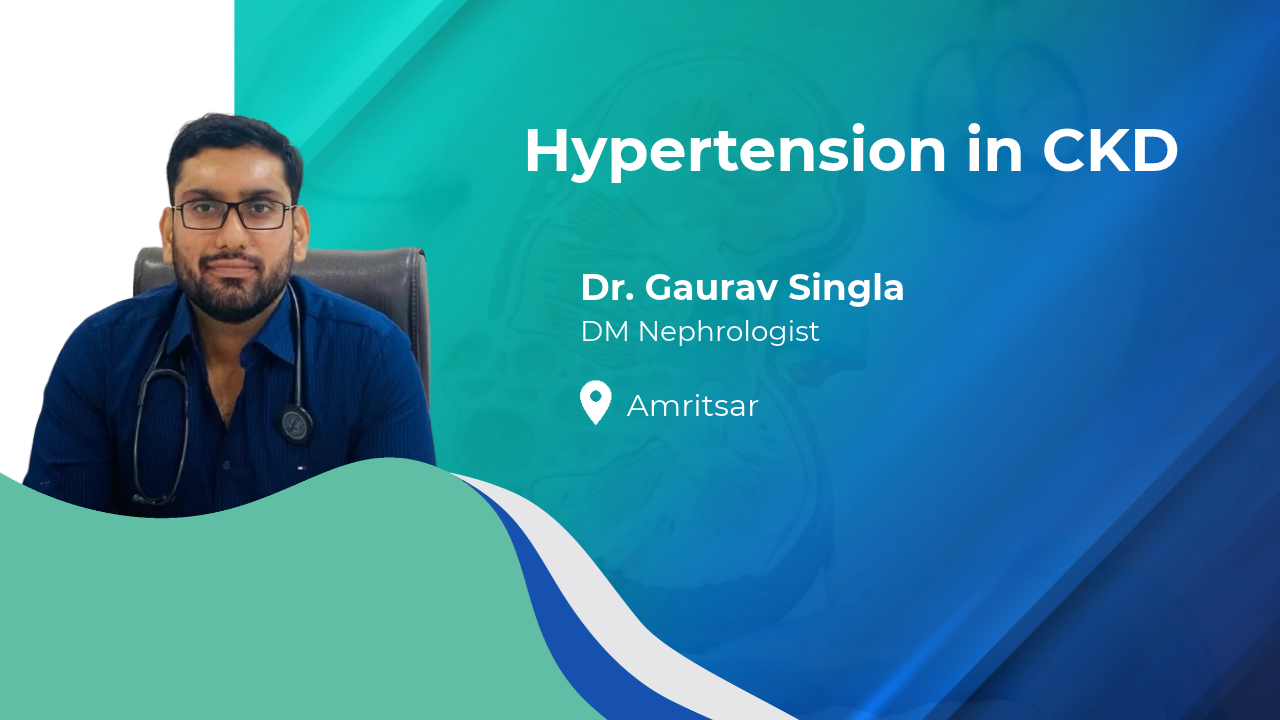
Hypertension in CKD
|
Dr. Gaurav Singla
|
0 Views
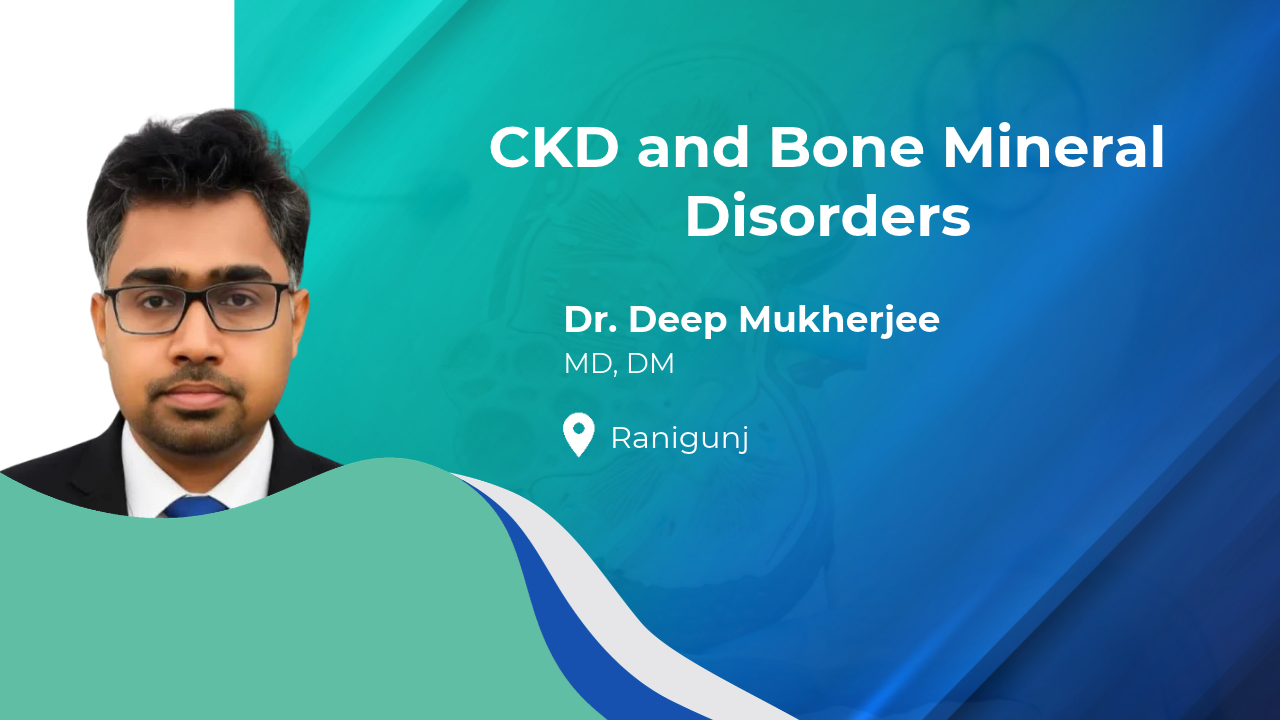
CKD and Bone Mineral Disorders
|
Dr. Deep Mukherjee
|
0 Views

GFR Measurement
|
Dr. Bishwaranjan Mohanty
|
0 Views

CKD and Bone Mineral Disorders
|
Dr. Lalit Kumar Agarwal
|
0 Views
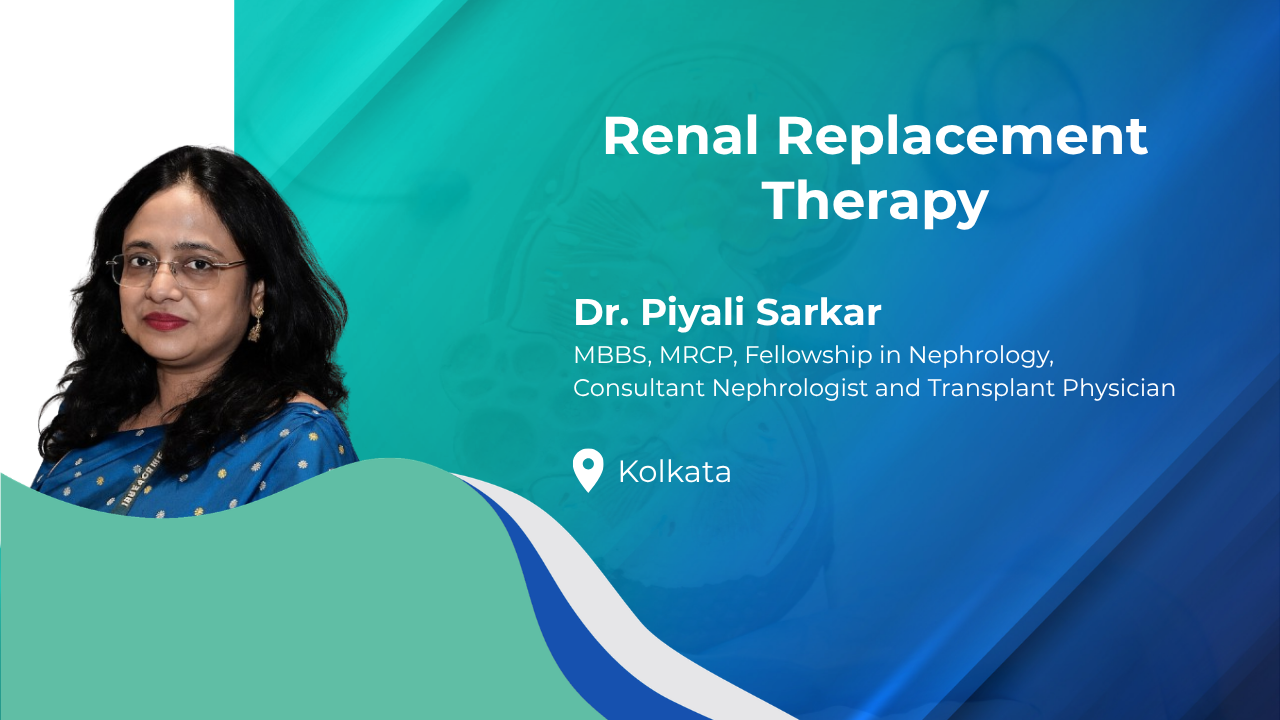
Renal Replacement Therapy
|
Dr. Piyali Sarkar
|
0 Views

Interpreting Iron Studies in Inflammatory State
|
Dr. Debmalya Bhattacharya
|
0 Views